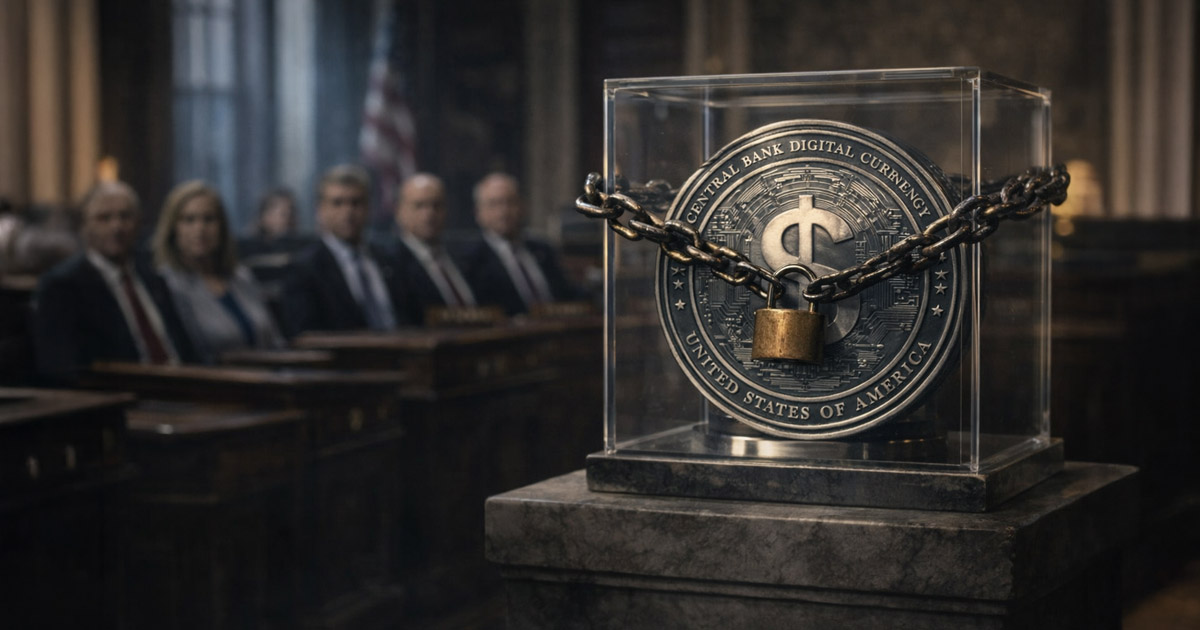
Legislative Developments Surrounding the U.S. Central Bank Digital Currency (CBDC)
In recent years, discussions surrounding the establishment of a Central Bank Digital Currency (CBDC) in the United States have transitioned from a speculative notion confined to academic discourse and partisan debates to a more tangible legislative reality. This shift was marked by significant developments in the U.S. Senate on March 2, when senators voted 84-6 to invoke cloture on the motion to advance H.R. 6644, a comprehensive housing and banking package that includes stipulations prohibiting the Federal Reserve from issuing a CBDC until December 31, 2030.
The overwhelming majority of votes against this motion underscores a pivotal transition, positioning CBDCs at the forefront of political discourse regarding privacy, state authority, and financial control. Despite the procedural nature of this vote and its implications not being definitive regarding support for a Federal Reserve-issued digital dollar, it signifies a considerable Senate supermajority’s endorsement for advancing anti-CBDC measures.
The Senators Voting Against H.R. 6644: An Analytical Perspective
The six dissenting senators—Ron Johnson (WI), Mike Lee (UT), Chris Murphy (CT), Rick Scott (FL), Tommy Tuberville (AL), and Chris Van Hollen (MD)—represent a diverse ideological spectrum within the Senate, and their collective votes merit closer examination.
- Ron Johnson (R-Wis.): A staunch advocate for manufacturing and fiscal policy, Johnson’s voting history reflects a commitment to oversight and budgetary discipline.
- Mike Lee (R-Utah): Known for his advocacy of constitutional limits on federal power, Lee’s opposition is particularly noteworthy given the ongoing debate regarding state control over currency.
- Chris Murphy (D-Conn.): While better recognized for his foreign policy initiatives, Murphy’s vote introduces ambiguity as it deviates from typical partisan lines concerning cryptocurrency and digital finance.
- Rick Scott (R-Fla.): A former governor with strong ties to anti-CBDC sentiments within Florida Republican factions, Scott’s opposition signals regional variances in legislative priorities.
- Tommy Tuberville (R-Ala.): The relatively new senator retains popularity stemming from his athletic career, yet his dissent indicates a potential divergence from party norms regarding financial innovation.
- Chris Van Hollen (D-Md.): As a member of the Senate Banking Committee, Van Hollen’s vote carries substantial weight in discussions intertwining housing finance and digital currency legislation.
The complexity of H.R. 6644 lies in its multifaceted nature; the anti-CBDC provisions are embedded within broader legislative initiatives aimed at addressing housing supply and affordability, disaster recovery funding, and rural development. This amalgamation complicates simple ideological evaluations of the senators’ votes.
The Significance of CBDC Provisions Within Legislative Context
The explicit language surrounding CBDCs in this legislative package is noteworthy for its clarity. The amendment delineates a CBDC as a digital asset denominated in U.S. dollars, characterized as federal currency and treated as a liability of the Federal Reserve System accessible to the public. Furthermore, it unequivocally restricts the Federal Reserve Board or any affiliated entity from issuing or creating such currency until 2030—a sunset provision that indicates Congressional intent to defer substantive discussions on digital currencies for the remainder of the decade.
This legislative action raises critical questions about its necessity given that the Federal Reserve has publicly stated no definitive decisions have been made regarding the issuance of a CBDC. In a 2022 report, strict conditions were outlined for any prospective digital currency initiative, emphasizing that without explicit Congressional authorization, direct Fed accounts for individuals would not be established. This dynamic suggests that Congress is preemptively delineating regulatory boundaries while the concept of CBDCs remains contentious and abstract.
Implications for the Private Sector and Broader Financial Landscape
The ramifications of a stringent stance against government-backed digital currencies extend into private sector considerations. As legislative resistance against CBDCs intensifies, attention inevitably shifts toward alternative digital dollar frameworks such as bank deposits, tokenized assets, exchange cash infrastructures, and stablecoins. These alternatives could potentially replicate many aspects of control associated with state-issued currencies.
Noteworthy developments include:
- The House’s passage of anti-CBDC legislation aimed at preventing bureaucratic encroachments into the domain of digital currency without explicit Congressional consent.
- Recent analyses questioning whether stablecoins could serve as “CBDCs in disguise,” reflecting concerns about private entities wielding similar controls as those feared in government-issued alternatives.
- The establishment of direct links by platforms like Kraken to Federal Reserve payment systems underscores operational realities where access to dollar settlement inherently dictates competitive advantages within financial markets.
This ongoing discourse aligns with broader efforts within Washington to delineate what form a digital dollar system should assume while grappling with issues of operational control and regulatory oversight.
Conclusion: The Path Forward Post-Vote
The culmination of these events manifested further on March 4 when the Senate affirmed its intent with a follow-up vote passing by 90-8 margin. This subsequent endorsement reinforces momentum behind anti-CBDC sentiments within Senate politics, indicating that this issue will likely remain paramount as Congress navigates future debates concerning digital finance. While partisan divisions are evident among dissenters, it is crucial to recognize that the broader narrative reflects an emerging consensus among legislators advocating for constraining discussions about digital currencies before any potential moves by the Federal Reserve materialize.