Bitcoin’s Resurgence Amidst Macroeconomic Constraints
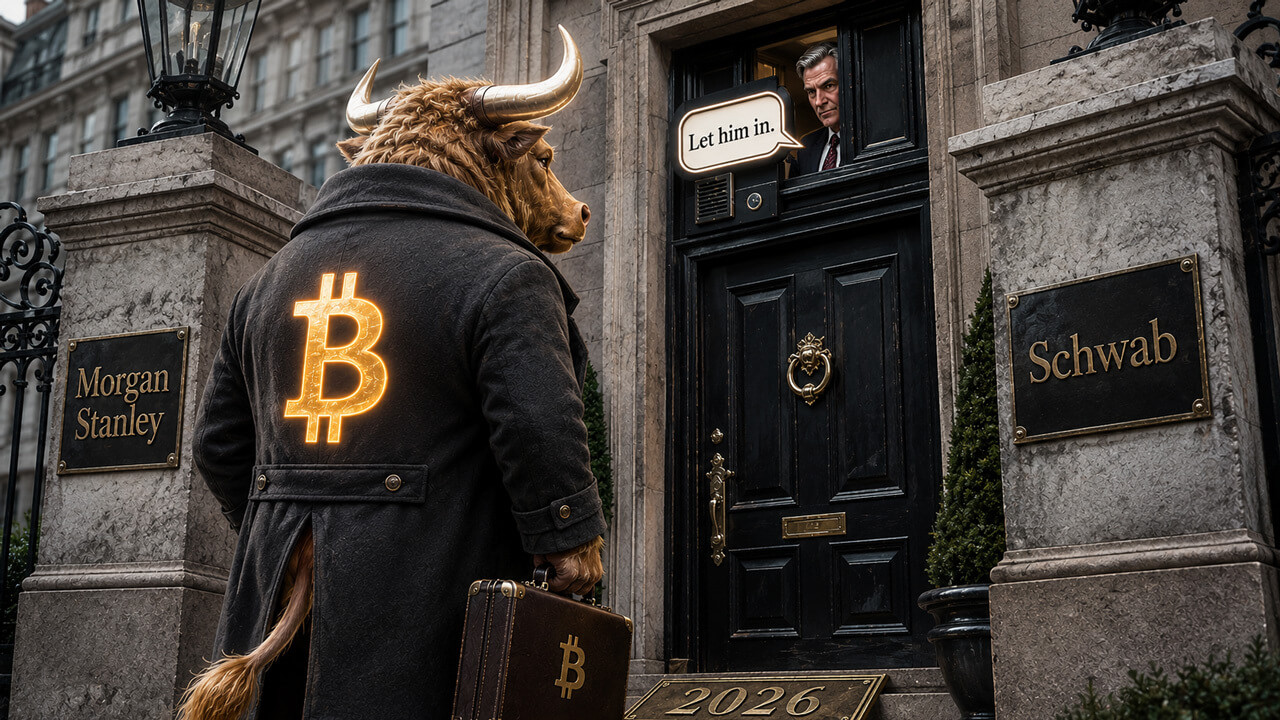
The recent uptick in Bitcoin’s valuation, now approaching the $75,000 threshold, reflects a broader resurgence in risk appetite across global markets. This resurgence has been largely catalyzed by optimistic sentiments surrounding potential de-escalation in geopolitical tensions within the Middle East, which have concurrently buoyed global equities to unprecedented highs.
However, this optimistic trajectory faces a more subdued constraint, one rooted not in geopolitical uncertainties but within the dynamics of the bond market. The prevailing indications suggest that the Federal Reserve remains reticent to adopt a looser monetary policy in the immediate future. This context is particularly salient as the succession battle for leadership within the US central bank enters a more tumultuous phase.
The Implications of Federal Reserve Policy on Bitcoin Valuation
As Bitcoin’s recovery unfolds, it is crucial to consider the interplay between market perceptions and Federal Reserve policies. The upcoming confirmation hearing for Kevin Warsh, scheduled for April 21, coincides with Jerome Powell’s chairmanship set to conclude on May 15. Although Powell’s tenure as a Fed governor extends until January 31, 2028, he has indicated his willingness to serve as chair pro tem should his successor not be confirmed by the expiration of his term.
This development raises critical inquiries for cryptocurrency investors: it is no longer solely about whether Warsh will ascend to the chairmanship, but rather whether a transition in leadership would materially influence the trajectory of interest rates and liquidity within financial markets.
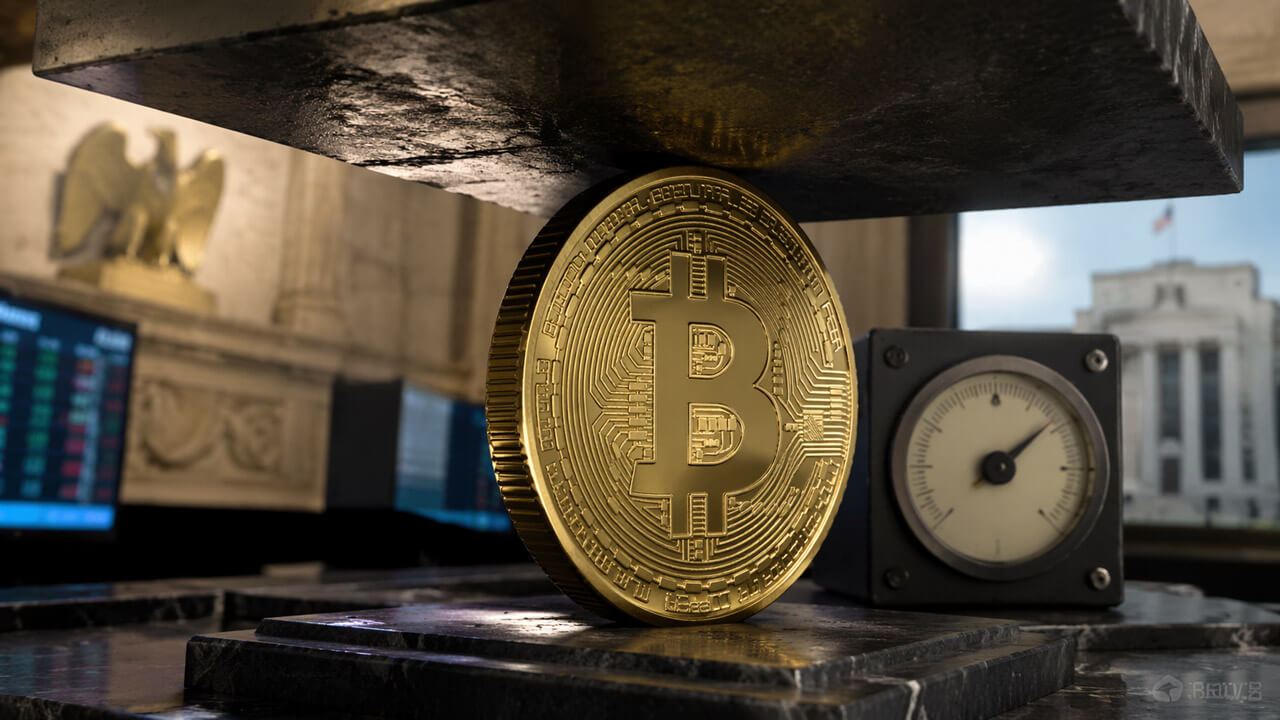
Market Dynamics: A Quiet Ceiling for Bitcoin Recovery
At present, one of the most pertinent macroeconomic variables influencing Bitcoin is the pricing of monetary policy within short-term rate markets. The Chicago Mercantile Exchange (CME) reported a significant repricing in March, wherein the 2-year Treasury yield exhibited volatility over a 50-basis-point range. Furthermore, FedWatch indicates that market participants have largely discounted any further rate hikes by December 2026, signaling an environment that lacks aggressive easing expectations.
This assessment is pivotal as Bitcoin has recently behaved in alignment with broader risk assets. The optimism surrounding cease-fire prospects has contributed to declines in oil prices from their recent peaks and has facilitated record highs in global equities. This shift has also rejuvenated expectations regarding inflationary pressures stemming from geopolitical conflicts, thereby benefitting gold and other non-yielding assets.
While Bitcoin has participated in this positive movement, it remains ensnared in the overarching dialogue concerning the persistence of restrictive US monetary policy. This differentiation is crucial; cryptocurrency markets do not necessitate formal rate reductions to respond positively but rather require a prevailing belief that financial conditions are beginning to ease.
The Consequences of Leadership Uncertainty at the Federal Reserve
Warsh’s nomination was anticipated to offer clarity regarding future Federal Reserve policies; however, it has instead become mired in legal and political complexities. Treasury Secretary Scott Bessent expressed optimism about Warsh’s timely confirmation; nevertheless, Republican Senator Thom Tillis has pledged to obstruct the nomination amidst an ongoing Justice Department inquiry into Powell’s conduct. Concurrently, Senator Elizabeth Warren has advocated against advancing Warsh’s nomination under such uncertain circumstances.
This uncertainty has exacerbated market apprehensions. In his March press conference, Powell underscored that if Warsh’s confirmation did not materialize before his term concluded, he would serve as chair pro tem and maintain his position on the Board until the investigation reached a transparent resolution.
The ramifications for financial markets are significant; even if Warsh ultimately receives confirmation, any delay prolongs a policy framework characterized by caution—a condition that has dominated Fed operations throughout this year. The existing committee remains led by Powell, with recent votes reflecting minimal dissent regarding policy direction.
Assessing Economic Indicators: Insights into Monetary Policy
The rationale for maintaining a cautious approach is substantiated by current economic indicators. As of March, the unemployment rate stood at an estimated 4.3%, while core Consumer Price Index (CPI) metrics indicated an increase of 2.6% year-over-year. New York Fed President John Williams articulated concerns that ongoing Middle Eastern conflicts are already exerting upward pressure on inflation via elevated energy and transport costs. St. Louis Fed President Alberto Musalem further posited that recent shocks in oil prices could sustain core inflation levels near 3% for an extended period, suggesting that interest rates may remain unchanged for some time.
However, it is imperative to recognize that interest rates are merely one facet of the broader economic transmission mechanism influencing cryptocurrency valuations. A critical concern revolves around liquidity dynamics and their implications for market performance.
The Role of Liquidity and Federal Reserve Balance Sheet Management
The Federal Reserve’s total asset holdings were approximately $6.69 trillion as of April 8—a statistic that underscores ongoing liquidity considerations vital to crypto markets. The most recent policy directives indicate that the central bank continues to augment its System Open Market Account through acquisitions of Treasury bills and reinvestment strategies aimed at maintaining sufficient reserves.
This operational framework diverges from a traditional easing cycle yet remains consequential for liquidity-driven narratives within financial markets. Warsh’s profile suggests a preference for tighter balance sheet management coupled with skepticism towards expansive bond-buying initiatives—an orientation that may yield hawkish implications for liquidity conditions in the near term.
Future Considerations for Cryptocurrency Traders
Upcoming events will provide critical insights into market trajectories; Warsh’s confirmation hearing will reveal whether senators view him as a viable candidate or merely as part of an ongoing contention regarding Fed independence. Investors will closely monitor his positions on three interconnected queries: whether inflation driven by supply disruptions related to geopolitical unrest should be disregarded; whether lower policy rates can coexist with a reduced balance sheet; and whether he endorses a cautious stance reliant on data or proposes a redefinition thereof.
In addition, attention will pivot back to imminent FOMC meetings scheduled for April 28-29. Should Warsh remain unconfirmed by then, Powell will continue to be perceived as the primary policymaker, resulting in market interpretations rooted in existing cautious frameworks.
Ultimately, regardless of potential confirmation outcomes, the prerequisites for sustainable bullish momentum in cryptocurrency markets will remain consistent: traders must cultivate confidence that short-term interest rates and reserve management strategies are evolving towards an environment conducive to liquidity expansion rather than merely mitigating stresses.
For Bitcoin investors, while headline developments emanating from Washington may capture attention, it is imperative to recognize that significant shifts continue to unfold along the short end of the US yield curve—an area where critical trading signals are presently being generated.