


Introduction
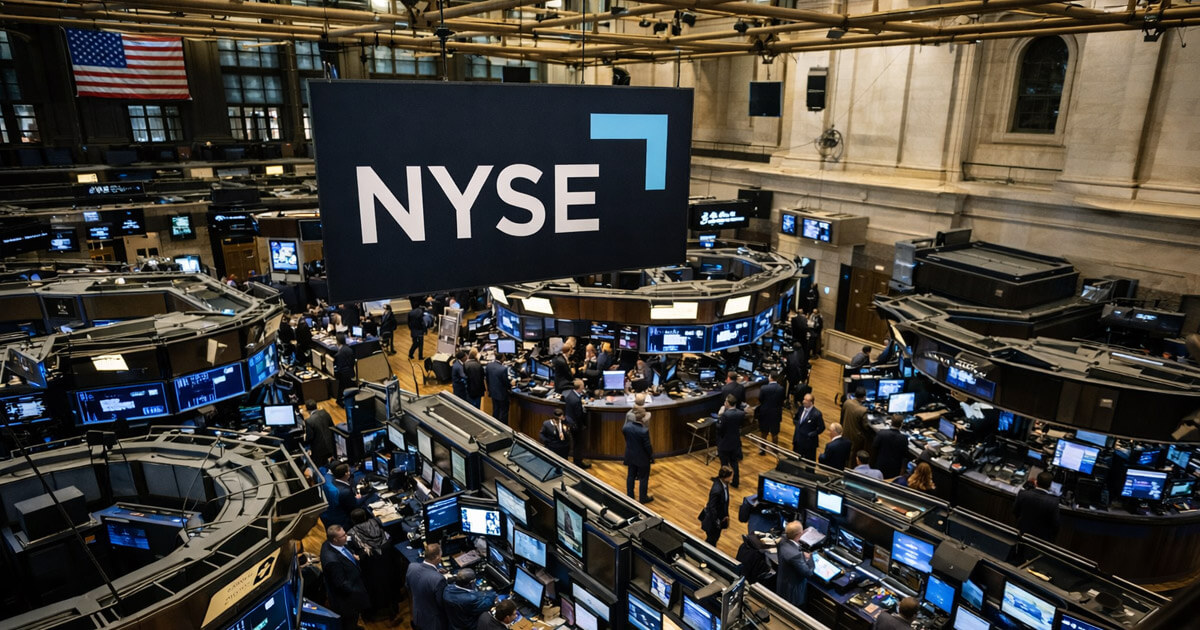
On January 19, 2023, Intercontinental Exchange (ICE), the parent company of the New York Stock Exchange (NYSE), made a significant announcement regarding the development of a novel trading platform aimed at tokenized US-listed equities and exchange-traded funds. This initiative not only encompasses stablecoin-based funding and blockchain integration but also signals a substantial strategic pivot towards the evolution of market infrastructure, where settlement time is poised to become a critical competitive differentiator.
Platform Overview and Structural Implications
The proposed trading platform is envisioned as a distinct venue, separate from the traditional NYSE exchange framework. ICE delineates several key features of this initiative:
- 24/7 trading capabilities
- Immediate settlement utilizing tokenized capital
- Support for fractional share trading
This ambitious project remains contingent upon requisite regulatory approvals, underscoring the complexities inherent in navigating the regulatory landscape associated with blockchain-based financial systems.
Strategic Context and Industry Dynamics
The implications of this announcement extend well beyond the superficial adoption of cryptocurrency aesthetics by Wall Street. Traditional exchanges are increasingly competing on metrics such as market uptime and settlement architecture. Within this competitive environment, stablecoins and tokenized bank deposits are emerging as viable solutions for facilitating an always-on financial ecosystem. The strategic underpinnings of ICE’s initiative reflect an acute awareness of these shifting dynamics.
The Mechanics of Instant Settlement
The architectural framework of the new platform signifies a paradigm shift towards mitigating counterparty risk through enhanced speed and efficiency. ICE has articulated that the new venue will integrate its existing Pillar matching engine with blockchain-based post-trade systems. This hybrid model will facilitate orders denominated in dollar amounts and support various blockchains for both settlement and custody functions.
For institutional participants, the appeal lies in the potential to substantially reduce the latency between trade execution and asset exchange. Notably, ICE’s proactive measure addresses the burgeoning global demand for access to US equities coupled with an increasing appetite for continuous trading operations. By advancing towards real-time settlement mechanisms, ICE is positioned to diminish the duration of counterparty exposure effectively.
However, it is imperative to acknowledge that while tokenization alters the risk landscape, it does not entirely obviate the necessity for robust risk management frameworks. Essentials such as netting, default management protocols, collateral haircuts, and legal finality must remain integral components of this evolving infrastructure.
Preserving Investor Rights in Tokenization
To ensure continuity in investor protections, ICE has emphasized that tokenized shares will maintain fungibility with traditionally issued securities while also accommodating natively issued digital securities. Token holders will retain traditional entitlements—including dividends and governance rights—which will be disseminated through equitable access to qualified broker-dealers.
Addressing Liquidity Bottlenecks
The predominant technical challenge associated with 24/7 markets has historically revolved around constraints imposed by traditional banking systems. While extending trading hours may appear operationally straightforward, achieving reliable funding and settlement certainty beyond conventional banking hours introduces significant friction. To mitigate these challenges, ICE’s announcement aligns stablecoin funding initiatives with parallel banking solutions.
In collaboration with major financial institutions such as BNY Mellon and Citibank, ICE aims to facilitate tokenized deposits across its clearinghouses. This strategic partnership seeks to empower market participants to manage capital outside standard banking hours while meeting margin requirements across diverse time zones. This development mirrors broader trends among custodian banks; for instance, BNY Mellon recently unveiled an on-chain representation of client deposit balances on its Digital Assets platform.
The Emergence of Programmable Cash
BNY Mellon’s initiative explicitly positions these tokenized deposits as foundational elements for programmable on-chain cash solutions, particularly in collateral and margin workflows. The current liquidity pool within the crypto-native “always-on dollar” ecosystem is substantial; data from DefiLlama indicates that total stablecoin market capitalization approximates $311 billion, reflecting positive short-term growth trajectories.
Regulatory Landscape and DTCC Engagement
The announcement from NYSE comes at a time when there is a favorable shift in regulatory perspectives towards tokenized market infrastructure within the United States. The Depository Trust & Clearing Corporation (DTCC), which dominates the post-trade layer of U.S. markets, has been progressing towards tokenization under regulatory auspices.
In December 2022, DTCC announced that its subsidiary DTC had received a No-Action Letter from Securities and Exchange Commission (SEC) staff, thereby authorizing a tokenization service for DTC participants on pre-approved blockchains over a three-year period. The anticipated rollout is scheduled for the second half of 2026 and will encompass eligible assets including Russell 1000 securities, significant index ETFs, and US Treasuries.
A Deliberate Adoption Sequence
This targeted asset list suggests a calculated approach to operationalize tokenization by commencing with highly liquid collateral before progressively venturing into more complex asset classes such as funds and broader equity instruments.
Crisis in Value Accrual within Crypto Markets
The integration of blockchain technology within Wall Street’s core operations may ostensibly validate the cryptocurrency sector; however, market analysts caution that value capture may not favor conventional crypto assets. Changpeng Zhao, former CEO of Binance, characterized this development as bullish for crypto exchanges. In contrast, industry critiques highlight a divergence between technological success and value accrual within native tokens.
Jeff Dorman, Chief Investment Officer at Arca, articulated a more pointed critique by asserting that while blockchain functionalities are being realized as forecasted by industry proponents, little value appears to be accruing to traditional crypto assets or stocks within the ecosystem. He posits that the “fat protocol thesis” has been rendered obsolete; Bitcoin’s disconnection from essential growth drivers—such as stablecoin proliferation or real-world asset tokenization—underscores this sentiment.
Dorman suggests that only select DeFi tokens and particular equities are poised to benefit from these developments. As assets migrate on-chain, he envisions DeFi evolving from an experimental niche into a fundamental component of financial infrastructure.
Future Growth Trajectories
Despite skepticism surrounding public token value accruals, projections indicate significant growth potential for tokenized assets. Asset management firm Grayscale forecasts that tokenized assets could proliferate by approximately 1,000 times by 2030 due to considerable growth potential within this sector.
“This growth will likely drive value to the blockchains that process transactions in tokenized assets, as well as a variety of supporting applications.”
As ICE advances with this project, key indicators will emerge to determine whether this represents a genuine market transformation or merely constitutes a niche endeavor:
- Regulatory approvals pertaining to stablecoin-based funding mechanisms
- The scalability of tokenized deposits for enhanced margin mobility
- The DTCC’s ability to operationalize its planned 2026 services effectively
If these elements coalesce harmoniously, the NYSE’s proposed venue could signify a transformative moment wherein financial markets are re-optimized around seamless trading processes—facilitating funding and settlement without reliance on conventional banking schedules.
