


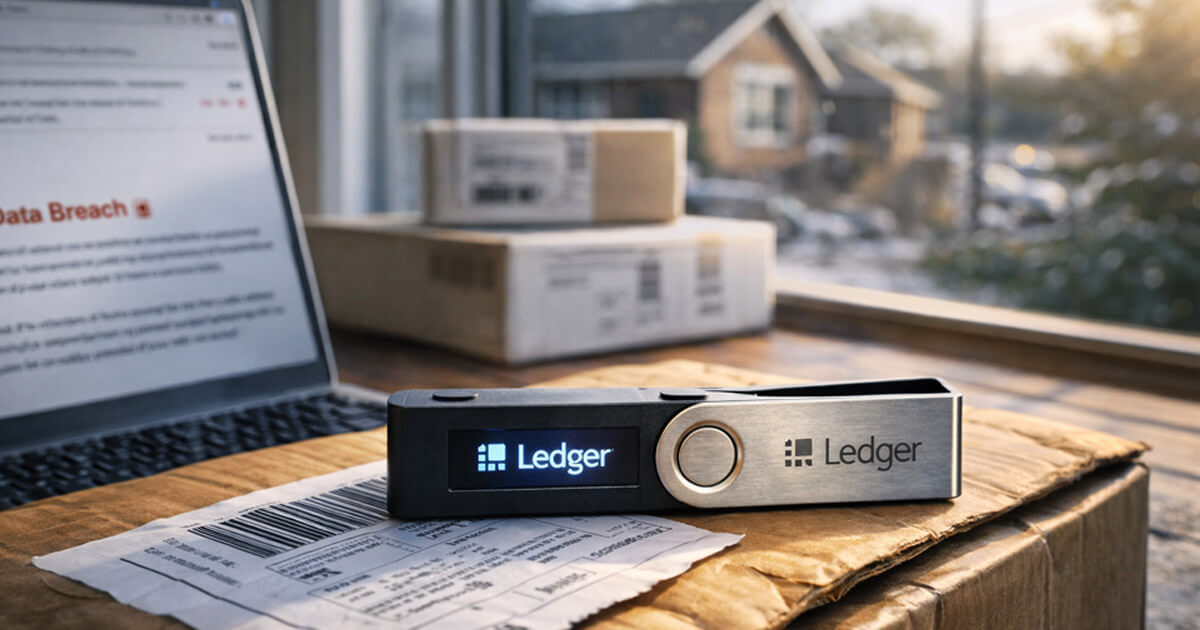
Analysis of the Ledger Data Breach: Implications and Vulnerabilities in the Cryptocurrency Ecosystem
On January 5, 2026, Ledger customers received an unsettling notification detailing a data breach orchestrated by Global-e, a third-party payment processor. This incident has significant ramifications for the security landscape of cryptocurrency transactions, as it underscores vulnerabilities within the broader commercial infrastructure supporting crypto wallets.
Incident Overview and Initial Response
Ledger promptly communicated to affected customers that the breach did not compromise critical elements such as payment card information, authentication passwords, or the highly sensitive 24-word recovery phrases integral to wallet security. The integrity of the hardware remained intact, and firmware was confirmed to be secure.
Despite these reassurances, the ramifications of such a breach are far-reaching. In the cryptocurrency domain, even seemingly innocuous data—such as a shipping label—can serve as an entry point into sophisticated phishing attacks or, in extreme cases, lead to physical confrontations at victims’ residences.
The Nature of the Breach: A Commerce-Stack Vulnerability
As reported by BleepingComputer, attackers gained access to shopper order data stored within Global-e’s cloud infrastructure. This encompassed:
– Customer names
– Postal addresses
– Email addresses
– Phone numbers
– Order details
The breach represents a quintessential “commerce-stack breach,” wherein no cryptographic keys or physical devices were compromised. What was obtained instead is a comprehensive and high-quality dataset of confirmed hardware wallet owners, complete with home shipping addresses—critical information for potential phishing operations.
This breach is reminiscent of a previous incident in June 2020 when attackers exploited a misconfigured API key to access Ledger’s e-commerce database, leading to the exposure of over one million email addresses and 272,000 records containing full names and contact information. Such occurrences have been characterized by cybersecurity experts as “golden opportunities for scammers.”
Phishing Threats: A Growing Concern
The ramifications of compromised personally identifiable information (PII) extend beyond mere digital threats; they facilitate tangible risks that manifest in real-world crime. After the 2020 breach, malicious actors engaged in blatant scams that included:
– Phishing emails masquerading as breach notifications urging users to verify their recovery phrases on fraudulent websites.
– Cloned Ledger Live updates that delivered credential-harvesting malware.
– Extortion emails threatening home invasions, bolstered by the attackers’ access to victims’ home addresses and confirmed wallet purchases.
This evolving threat landscape necessitates an assessment of the durability and utility of PII leaks in the cryptocurrency realm. The dataset from Ledger’s 2020 incident proved resilient; criminals utilized it for years afterward, demonstrating a propensity for recycling compromised data across various channels—email, SMS, and traditional mail.
The Implications of Data Durability
The longevity of leaked data presents unique challenges in cybersecurity. For instance:
– In 2021, criminals dispatched physically tampered “replacement” devices to addresses sourced from previous leaks. These counterfeit packages contained instructions designed to extract recovery phrases from unsuspecting users.
– By late 2024, phishing campaigns leveraging subject lines such as “Security Alert: Data Breach May Expose Your Recovery Phrase” were documented.
This persistent threat underscores the importance of continuous vigilance among cryptocurrency holders in verifying communications and maintaining security best practices.
Physical Security Risks: A Macro Perspective
The normalization of treating customer lists as precursors to serious criminal activity has escalated physical threats against crypto holders. Reports indicate a surge in violent crimes—home invasions and kidnappings—targeting individuals identified through previously leaked PII.
Notable incidents include:
– The January 2025 kidnapping of Ledger co-founder David Balland and his partner, during which attackers resorted to extreme measures while demanding ransom.
The intersection of publicly accessible databases with compromised PII has streamlined the profiling process for potential victims. Law enforcement agencies now categorize crypto-specific PII breaches as components facilitating violent extortion.
Addressing Systemic Vulnerabilities
The challenges posed by such breaches are not isolated to Ledger alone. The August 2023 breach involving Kroll similarly exposed sensitive information pertaining to creditors of FTX, BlockFi, and Genesis. Legal actions stemming from these incidents highlight concerns over inadequate data management practices among third-party vendors.
To mitigate risks associated with PII exposure linked to cryptocurrency ownership:
– Users should adopt best practices such as enabling optional passphrase features (a “25th word”) that exist solely in memory.
– Regularly rotating contact information and utilizing unique email addresses for wallet purchases can enhance security.
– Minimization strategies for address exposure—such as mail forwarding services or utilizing business addresses—can substantially decrease vulnerability to physical coercion.
Conclusion: Rethinking Security within Cryptocurrency Ecosystems
The Global-e incident raises pressing questions regarding customer data protection within e-commerce frameworks supporting digital asset management. As self-custody solutions eliminate reliance on trusted intermediaries for asset control, the handover of customer data to e-commerce platforms and payment processors creates exploitable pathways for threat actors.
While Ledger’s hardware wallets may represent secure storage solutions for digital assets, vulnerabilities persist within the operational frameworks surrounding them. The Global-e breach exemplifies how attackers can leverage publicly accessible datasets without necessitating direct access to secure device elements.
Consequently, stakeholders across the cryptocurrency ecosystem must reevaluate their approach to security protocols while recognizing that robust technology alone cannot counteract systemic vulnerabilities inherent in commercial operations.
