


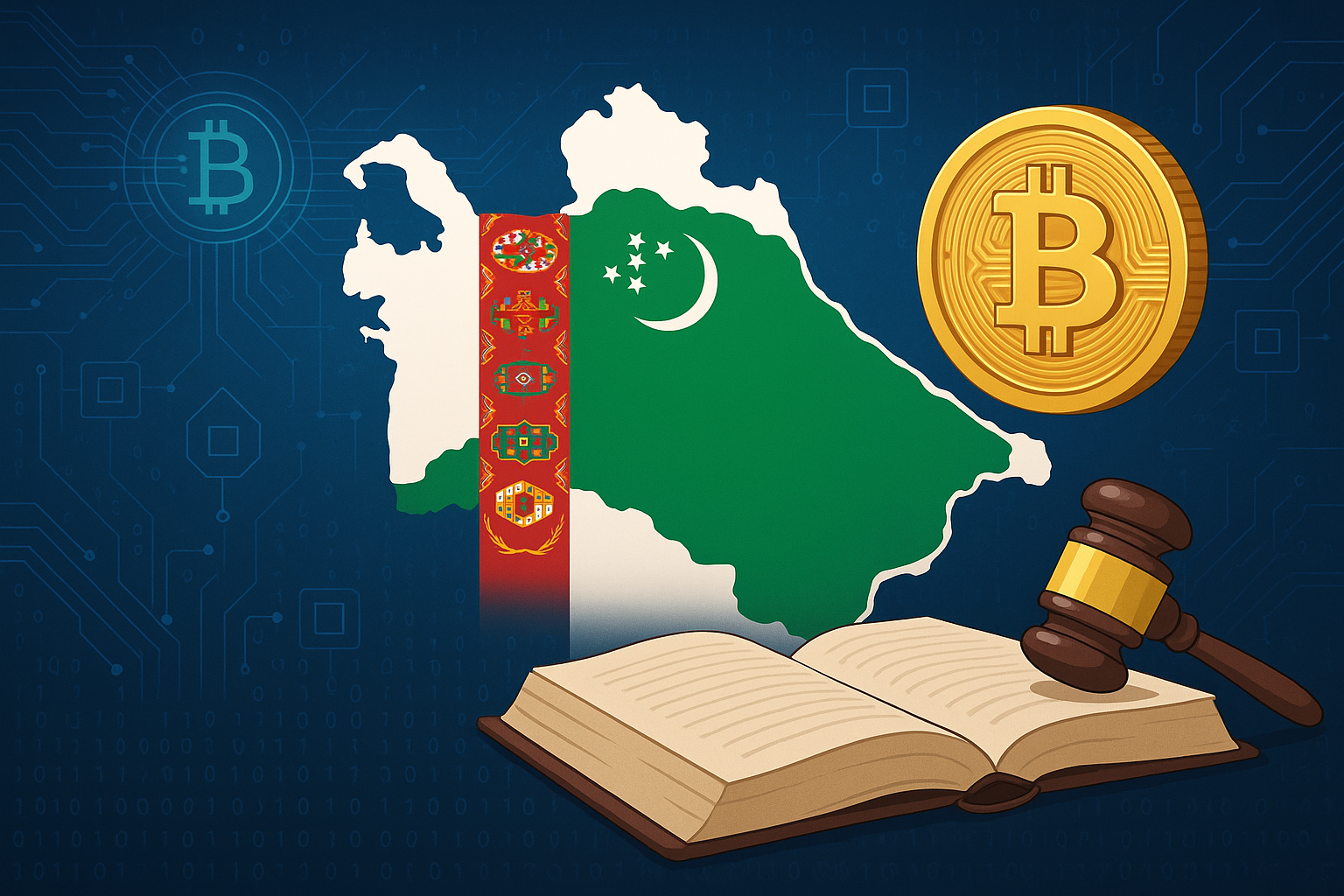
Introduction to Turkmenistan’s Regulatory Framework for Digital Assets
Turkmenistan has embarked on a significant initiative to formalize its digital asset sector, aligning itself with the global trend of implementing comprehensive regulatory frameworks surrounding cryptocurrency. This strategic move reflects a concerted effort to regulate an increasingly complex and evolving financial landscape characterized by the rising prominence of digital assets.
As reported on November 28 by Business Turkmenistan, President Serdar Berdimuhamedov has sanctioned legislation that is poised to take effect in 2026. This new law is expected to establish a stringent regulatory environment for digital assets in a nation historically recognized for its rigid information policies and limited engagement with external technological advancements.
Overview of the New Legislative Measures
The recently approved legislation delineates a meticulous framework governing various facets of the digital asset ecosystem, including crypto exchanges, custodial services, and mining operations. By instituting explicit regulations, Turkmenistan is positioning itself within a broader international endeavor aimed at systematically managing the adoption of cryptocurrencies.
Key Components of the Legislation
– **Licensing and Compliance**: The new legal framework mandates licensing for exchanges and custodial platforms, establishing “Know Your Customer” (KYC) protocols along with Anti-Money Laundering (AML) measures as fundamental requirements.
– **Cold Storage Mandates**: Service providers must adhere to strict cold storage obligations to safeguard user assets from potential security breaches.
– **State Authority Over Token Issuances**: The government reserves the right to halt, void, or enforce refunds on token issuances, thereby centralizing authority over digital asset activities.
– **Mining Regulations**: The law stipulates that individuals and entities engaging in mining activities must register their operations with relevant authorities, while clandestine mining practices are expressly prohibited.
Moreover, the Central Bank of Turkmenistan will have the authority to authorize distributed ledger technologies or operate its own systems, facilitating state oversight of transaction flows and digital asset activities within a controlled infrastructure.
Classification of Digital Assets
Central to this legislative framework is the classification of digital currencies. Turkmenistan’s law categorizes crypto assets into two distinct types: backed and unbacked. Notably, these digital currencies are not recognized as legal tender or securities within the country.
Legal Implications of Asset Classification
– **Backed Assets**: Future regulations will dictate liquidity requirements for backed assets, including settlement obligations and emergency redemption protocols.
– **Unbacked Assets**: The delineation of unbacked assets implies stringent legal boundaries that may limit their operational scope.
This bifurcation signifies a regulatory approach where assets with tangible backing will undergo more rigorous scrutiny compared to their unbacked counterparts.
Contextualizing Turkmenistan’s Regulatory Shift Within Global Trends
The enactment of this legislation aligns with a broader movement among nations seeking to refine their regulatory stances toward cryptocurrencies and stablecoins. For instance, recent developments in the United Kingdom indicate a shift towards accommodating decentralized finance (DeFi) users by allowing deferral of capital gains taxes until the sale of underlying tokens occurs. This adjustment aims to alleviate administrative burdens while harmonizing crypto taxation with traditional asset frameworks.
The Bank of England’s Deputy Governor Sarah Breeden has indicated potential alignment with U.S. policies regarding stablecoin regulation, suggesting that major economies may gravitate towards establishing congruent regulatory environments as stablecoins become more integrated into payment and settlement systems.
International Regulatory Dynamics
In light of evolving digital asset markets, international regulatory bodies are reassessing their stances. Erik Thedéen, Governor of Sweden’s central bank and Chair of the Basel Committee on Banking Supervision, intimated that existing risk-weighting standards for crypto exposures may require reevaluation due to resistance from certain jurisdictions against adopting stringent benchmarks.
The Political Landscape in Turkmenistan
This regulatory overhaul occurs amid Turkmenistan’s tightly controlled political environment. As a former Soviet republic with a population ranging from approximately 6.5 to 7 million, Turkmenistan remains heavily reliant on natural gas exports and operates under one of the most centralized presidential systems globally.
The country is notable for its strict censorship practices; platforms such as X and Telegram are banned. Furthermore, it is characterized by unique landmarks such as the “Door to Hell,” a perpetually burning natural gas crater, alongside distinctive white marble architecture in its capital city, Ashgabat.
Taken together, these factors underscore that the introduction of a structured legal framework for cryptocurrencies represents a substantial departure from previously established norms within Turkmenistan’s governance paradigm.
