


Introduction to Regulatory Changes in the UAE’s Cryptocurrency Landscape
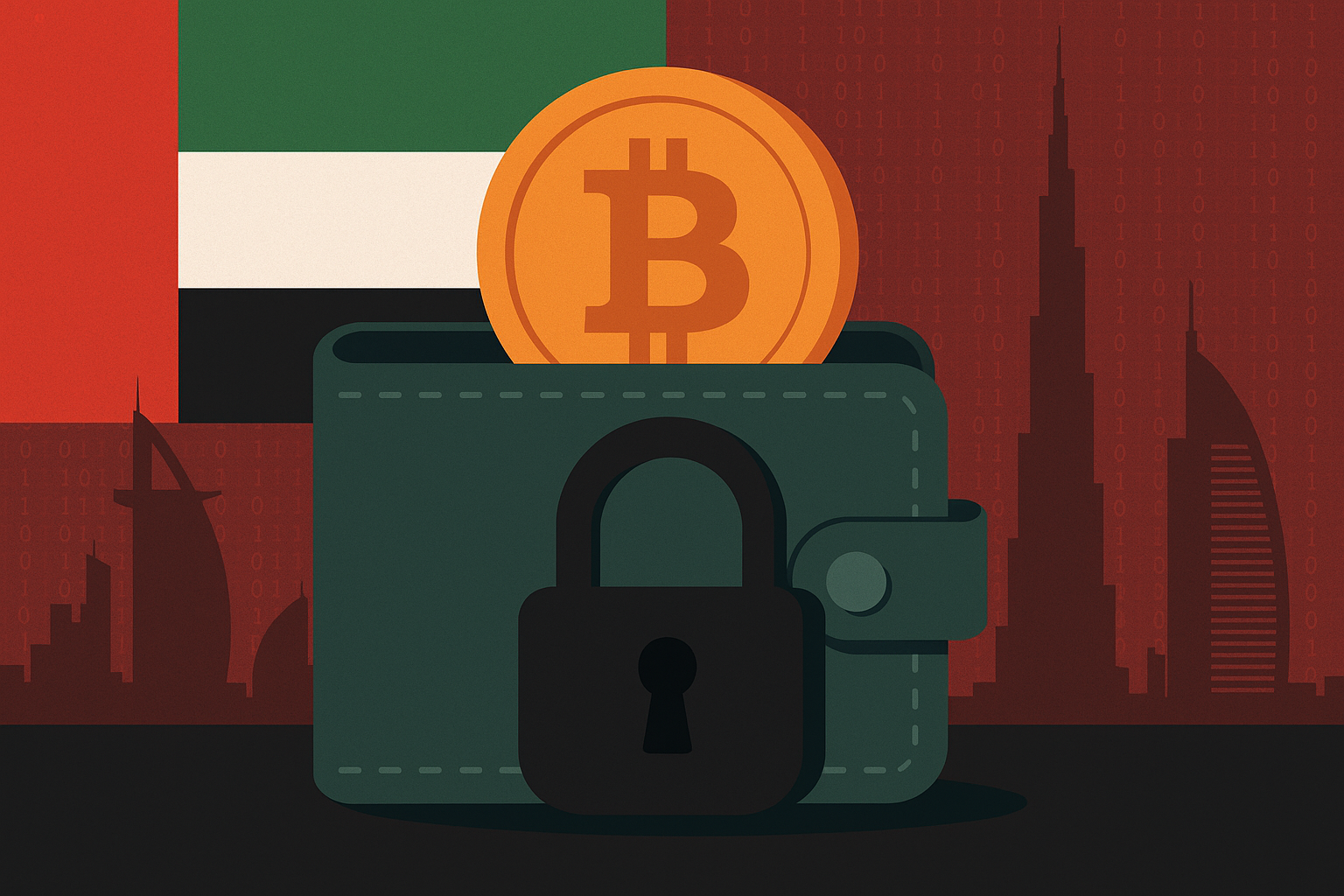
In a significant departure from its previously crypto-friendly posture, the United Arab Emirates (UAE) has enacted far-reaching legislative measures that fundamentally alter the regulatory framework governing cryptocurrency infrastructure. Effective from September 16, 2025, the Federal-Decree Law No. 6 of 2025 introduces stringent licensing requirements that classify essential cryptocurrency services, including Bitcoin wallets, as potentially illegal unless sanctioned by the Central Bank of the UAE.
Legal analysts from reputable law firms, such as Gibson Dunn, have underscored the expansive and ambiguous nature of this legislation, cautioning that its implications may pose considerable risks for global technology providers engaged in the cryptocurrency sector.
Overview of Legislative Provisions
The new legal framework supersedes the prior banking statute established in 2018 and significantly broadens the definition of financial activities subject to regulation. Notably, this legislation is distinguished not only by its comprehensive scope but also by its robust enforcement mechanisms.
Key aspects of the law include:
– **Penalties for Non-compliance**: Organizations found in violation of these regulations may incur fines ranging from AED 50,000 to AED 500,000,000 (approximately $136 million), in addition to potential imprisonment.
– **Extrajurisdictional Applicability**: The stipulations extend beyond entities physically operating within the UAE; they encompass all services accessible from within the nation’s borders.
Licensing Requirements for Cryptocurrency Services
The most pivotal component of this legislative overhaul is articulated in Article 62, which empowers the Central Bank to exercise oversight over any technology that “engages in, offers, issues, or facilitates” financial activities. This broad language encompasses a wide array of services, including:
– Self-custodial wallets
– Application Programming Interfaces (APIs)
– Blockchain explorers
– Analytics platforms
– Decentralized protocols
This regulatory shift marks a transformative moment in how cryptocurrency infrastructure is governed within the UAE. Previously focused primarily on traditional financial entities, licensing obligations now extend to encompass software and data tools integral to cryptocurrency operations. Developers may now find that even publicly available tools like CoinMarketCap or open-source Bitcoin wallets require formal licensing to maintain accessibility within UAE jurisdiction.
For the first time, software developers operating from foreign jurisdictions may face criminal repercussions for providing unlicensed cryptocurrency tools that inadvertently serve users located in the UAE.
Marketing and Communications Under Scrutiny
The regulatory scrutiny extends into marketing and communications strategies associated with financial services. Under Article 61 of the new law, any marketing, promotional activities, or advertising related to financial services are classified as licensable undertakings. Consequently:
– Hosting a website
– Publishing articles
– Disseminating tweets about non-compliant cryptocurrency services
could be construed as legal infractions if accessed by UAE residents. This alteration substantially expands the compliance obligations for companies and developers alike.
Gibson Dunn emphasizes that these provisions significantly broaden the enforcement perimeter, particularly impacting entities without a formal presence in the UAE. The law’s reach extends to communications originating outside UAE borders but accessible within them.
As a result, developers and content creators must meticulously evaluate whether their platforms inadvertently facilitate access for users located in the UAE. In numerous instances, mitigating legal exposure may necessitate disabling access or ceasing operations entirely.
Impact on Dubai’s Free Zones
Over recent years, the UAE has strategically positioned itself as a global nexus for blockchain innovation. Regulatory frameworks established by Dubai’s Virtual Assets Regulatory Authority (VARA) and Abu Dhabi Global Market (ADGM) were designed to attract international enterprises. However, this new federal legislation supersedes those localized regulations, asserting comprehensive Central Bank authority across all emirates.
By rendering federal law paramount over free-zone regulations, this shift effectively dismantles the legal advantages previously enjoyed by businesses operating under these specialized regimes. The broader context reflects a historical propensity for digital restrictions within the country; for instance, popular communication platforms like WhatsApp remain limited within the UAE’s borders.
While these measures may align with international regulatory pressures—such as those imposed by the Financial Action Task Force—they simultaneously place crypto service providers in precarious positions. Observing similar trends globally, many firms have opted to withdraw from jurisdictions imposing stringent regulations to mitigate enforcement risks.
Future Compliance and Regulatory Expectations
Entities affected by these sweeping changes are afforded a one-year grace period from September 16, 2025, during which they must achieve compliance with the new regulatory framework. The Central Bank retains discretion to extend this period as deemed necessary.
During this interim phase, further regulations are anticipated to elucidate how these expansive rules will be operationalized. Nonetheless, concerns regarding the breadth of the legislation remain prevalent among stakeholders.
The language surrounding facilitation and communication—coupled with severe penalties outlined under Article 170—indicates that firms offering crypto tools on a global scale must now adopt comprehensive strategies to mitigate risks associated with incidental exposure to users within UAE territory. For developers and platform operators alike, these developments represent a significant departure from traditional paradigms associated with decentralized access and open-source innovation.
