


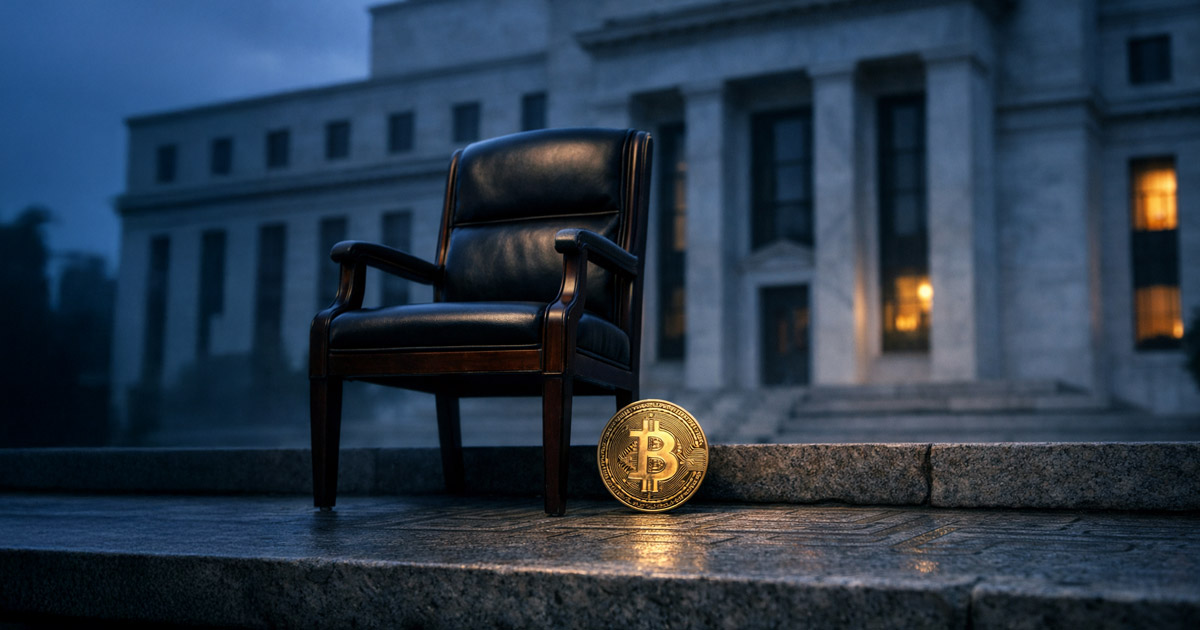
Nomination of Kevin Warsh: A Strategic Shift in Federal Reserve Leadership
In a recent announcement, President Donald Trump has put forth the nomination of former Federal Reserve Governor Kevin Warsh to assume the role of Chair of the United States central bank. This decision, articulated in a post on Truth Social dated January 30, underscores Trump’s long-standing acquaintance with Warsh and his conviction that Warsh possesses the qualities requisite for effective leadership of the Federal Reserve.
“I have known Kevin for a long period of time, and have no doubt that he will go down as one of the GREAT Fed Chairmen, maybe the best. On top of everything else, he is ‘central casting,’ and he will never let you down.”
This nomination emerges against a backdrop of extensive deliberation regarding Powell’s successor, whose term is set to conclude in May. Warsh, aged 55, served on the Federal Reserve Board from 2006 until 2011, during which time he cultivated a reputation in economic policy formulation, finance, and academic circles.
Market analysts perceive Warsh’s potential appointment as indicative of a pivot towards a leadership style that may exhibit greater inclination than Powell towards fiscal contraction—specifically, reducing the Federal Reserve’s balance sheet and tightening liquidity conditions. Such measures typically exert downward pressure on speculative assets even in scenarios where the trajectory of policy rates could subsequently adopt a more accommodative stance.
Warsh’s Economic Policy Outlook: A Dual-Edged Approach
President Trump has consistently voiced discontent with Chair Powell’s reluctance to implement more aggressive rate cuts. This sentiment aligns with the broader economic climate wherein households grapple with elevated mortgage rates and the administration seeks to stimulate growth while managing federal financing expenditures.
However, it is imperative to contextualize Warsh’s philosophy concerning interest rate management. While he currently advocates for lower interest rates and acknowledges that innovation driven by artificial intelligence may mitigate inflationary pressures, his historical positions at the Federal Reserve suggest a more hawkish stance regarding inflation than his recent commentary might imply. This dichotomy has led some investors to categorize him as a moderate candidate who may not pursue immediate aggressive rate reductions.
The implications of this nomination are already reverberating through financial markets, particularly reflected in currency valuations. Robin Brooks, a senior fellow at the Brookings Institution, posited that while Warsh represents a commendable selection for Fed Chair—characterized by his hawkish tendencies—the market remains skeptical regarding what concessions may have accompanied his nomination. This skepticism has contributed to the dollar’s subdued performance despite news that typically would bolster its value.
Macro commentary has further elaborated on this duality by framing Warsh’s prospective policies as “Shrink the Fed, Ease the Rate”—a characterization that encapsulates what some analysts perceive as a hawkish-dove paradox. This proposed strategy would involve an assertive reduction of the Federal Reserve’s balance sheet in exchange for modest interest rate cuts, signaling a significant transition from demand management towards a supply-side growth paradigm.
Warsh’s Stance on Cryptocurrency: A Pragmatic Perspective
Warsh’s public discourse regarding cryptocurrency has not positioned him unequivocally as an advocate for digital assets. His writings frequently delineate blockchain technology from private tokens functioning as currency. In an op-ed published in 2022 in The Wall Street Journal, he contended that “cryptocurrency” constitutes a misnomer and framed it primarily as software technology. Concurrently, he advocated for the United States to adopt a robust “digital dollar” strategy focused on privacy and international competitiveness.
“The US should announce the essential design features of a digital dollar to be used exclusively for wholesale transactions. The existing wholesale payment system is slow, cumbersome, opaque, and expensive. The new regime would more effectively intermediate payments among the government, financial firms, and foreign central banks.”
This perspective introduces complexities regarding Bitcoin’s positioning within monetary policy discussions. On one hand, appointing a Fed Chair who regards cryptocurrency primarily as technological infrastructure may facilitate modernization in payment systems and clarify regulatory frameworks surrounding tokenized assets—benefiting stablecoins and on-chain settlement initiatives. Conversely, Warsh’s emphasis on a centralized digital dollar runs counter to narratives that position Bitcoin as an alternative monetary system.
Industry voices such as Hunter Horsley, CEO of Bitwise Asset Management, have characterized Warsh as an ally to crypto initiatives. They highlight his advisory roles within fintech sectors and assert that he comprehends Bitcoin’s macroeconomic implications while possessing an investment background in crypto-related enterprises.
Nonetheless, Warsh’s comments regarding Bitcoin further complicate this landscape. In remarks disseminated widely through social media platforms, he rebutted dismissive attitudes toward Bitcoin investors and suggested that Bitcoin could exert “market discipline” by indicating necessary macroeconomic adjustments.
A Contested Nomination: Implications for Federal Independence
The pathway to Warsh’s confirmation is fraught with challenges, necessitating approval from the Senate amidst apprehensions voiced by Democratic lawmakers who contend that this nomination exemplifies Trump’s broader strategy to exert undue influence over one of the last bastions of federal independence—the Federal Reserve.
Senator Thom Tillis articulated skepticism toward Warsh’s candidacy citing concerns about preserving the institution’s autonomy from political maneuvering. He indicated his intention to oppose any nominee until investigations into Jerome Powell are concluded—a development he deems essential for safeguarding the Federal Reserve’s independence.
“The Department of Justice continues to pursue a criminal investigation into Chairman Jerome Powell based on committee testimony that no reasonable person could construe as possessing criminal intent.”
Conversely, proponents of Warsh argue that his appointment could ultimately reinforce rather than undermine Federal Reserve integrity. Mohamed A. El-Erian contended that Warsh’s amalgamation of expertise, experience, and communication acumen positions him favorably to reform and modernize central banking practices while ensuring political independence is maintained.
Nonetheless, skepticism persists regarding potential friction between Warsh’s historical hawkish stance on monetary policy and Trump’s aspirations for rapid easing. Analysts at Renaissance Macro Research caution that Warsh has historically favored tighter monetary conditions even during periods marked by labor market distress; they suggest that current dovish rhetoric may reflect situational convenience rather than genuine policy inclination.
Conclusion: Strategic Monitoring Ahead
The scrutiny surrounding Warsh’s nomination extends beyond mere ideological debates; it encompasses critical discussions about balance sheet management strategies and interest rate trajectories—elements crucial for discerning future liquidity conditions within financial markets. Observers will be attentive to how Warsh articulates his views on reserves and quantitative tightening throughout his confirmation process. These discussions will significantly inform whether an incoming chair advocating lower rates can also foster overall easier financial conditions or if alternative strategies will dominate liquidity management approaches.
