


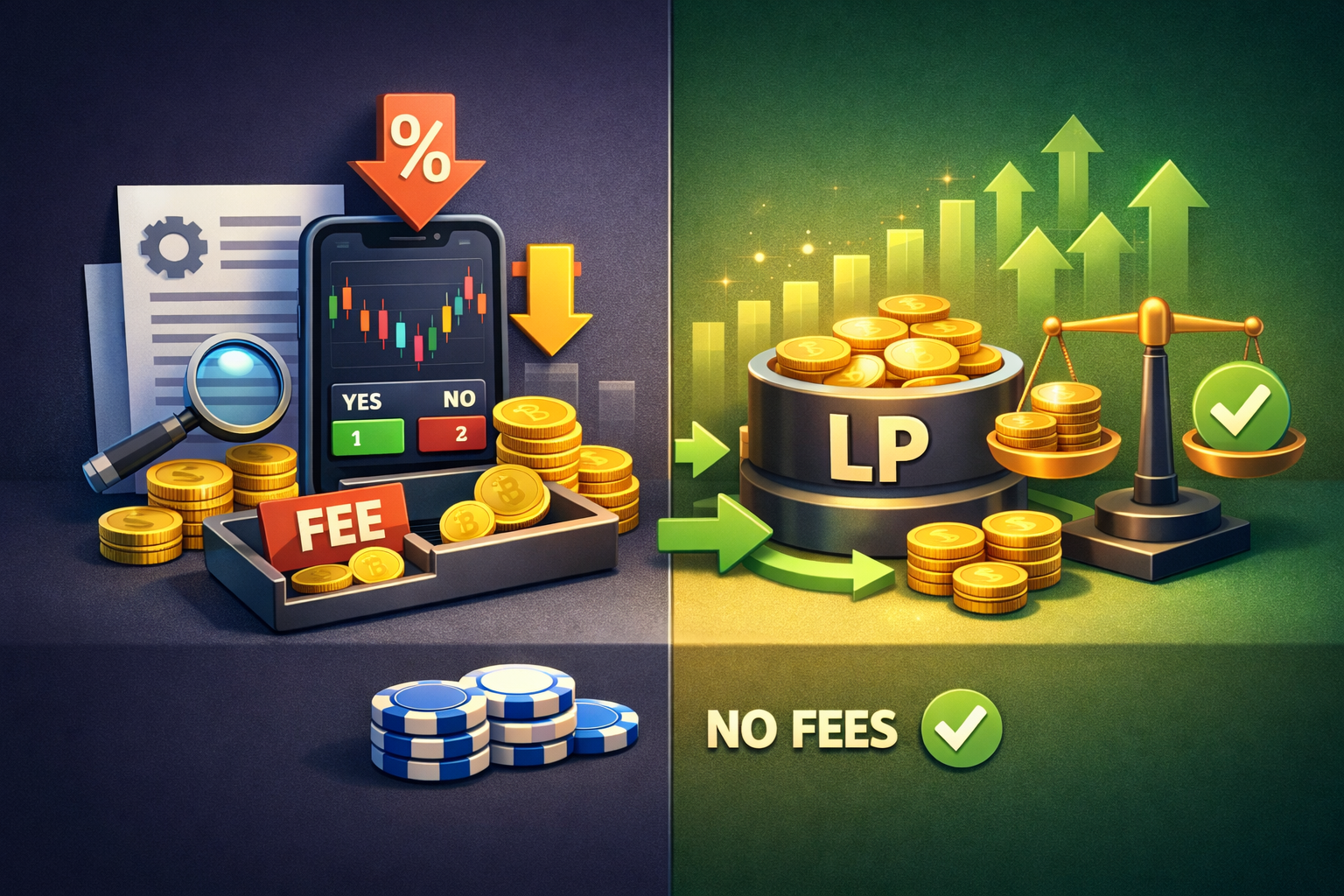
Introduction to Fee Structure Modifications at Polymarket
The prediction market platform Polymarket recently implemented a nuanced yet significant modification to the operational mechanics of specific cryptocurrency markets. This alteration pertains specifically to taker fees introduced within 15-minute trading contracts, diverging from the historically established zero-fee trading paradigm that has characterized the platform up until now.
Overview of Changes
The updated operational framework, as articulated in revised documentation, indicates that:
- Fees accrued from takers are redistributed daily to liquidity providers in USDC, facilitating a more dynamic liquidity environment.
- The maximum fee rates are applicable when market odds approach parity (50%), with a gradual reduction towards zero as probabilities approach their extremes.
- Longer-term cryptocurrency, political, and non-cryptocurrency markets remain exempt from any associated fees.
Documentation Insights on the New Fee Structure
Comprehensive analysis of the updated material reveals that the taker fees apply exclusively to short-duration crypto markets, specifically those with a 15-minute time frame. These markets are designed to accommodate rapid price fluctuations, necessitating a responsive liquidity environment. The revised documentation elucidates that fees collected from takers are not retained as profit by Polymarket but are instead funneled back into the ecosystem as incentives for liquidity providers. This strategic redistribution underscores a foundational shift towards enhancing market depth and stability rather than merely serving as an additional revenue stream for the platform.
Dynamic Fee Model Based on Market Odds
The newly instituted fee structure is predicated upon a variable model that correlates directly with market odds. Specifically, fees reach their zenith when pricing hovers around the 50% mark—an indicator of heightened uncertainty and increased trading activity. Conversely, as the odds gravitate towards either extreme (0% or 100%), the applicable fees diminish substantially. This pricing strategy is exemplified through practical illustrations provided in the documentation:
- A taker trade involving 100 shares priced at $0.50 would incur a fee approximating $1.56, representing just over 3% of the transaction’s total value at peak fee levels.
- In contrast, trades positioned closer to probability extremes benefit from significantly lower charges, with minimal fees being rounded down for user convenience.
Market Reactions and Community Sentiment
The discreet implementation of this fee structure has spurred dialogues across social media platforms, particularly on X (formerly Twitter). Users have largely framed this adjustment as a strategic refinement of market structure rather than a traditional increase in trading costs. Notably:
– User observations suggest that this change enhances protection against wash trading practices.
– A trader remarked that the new fee model may effectively discourage high-frequency bots by incentivizing tighter spreads and promoting consistent liquidity provision.
– Another contributor highlighted that while the surface-level implications of this change may appear alarming, it ultimately fosters a sustainable revenue stream for liquidity providers while simultaneously mitigating exploitative practices by automated trading systems.
Limited Scope of Impact on User Experience
For the broader user base of Polymarket, the ramifications of these changes are anticipated to be relatively contained. The only affected segment comprises 15-minute crypto markets, ensuring that a substantial portion of Polymarket remains free from transactional fees. Furthermore, within these specific markets, the fee design is structured to alleviate costs associated with directional trades and those situated near clear probability outcomes. By selectively imposing fees on competitive price ranges and channeling resources towards liquidity providers, Polymarket appears poised to optimize incentives within its most dynamic trading environments without compromising the overall user experience.
