


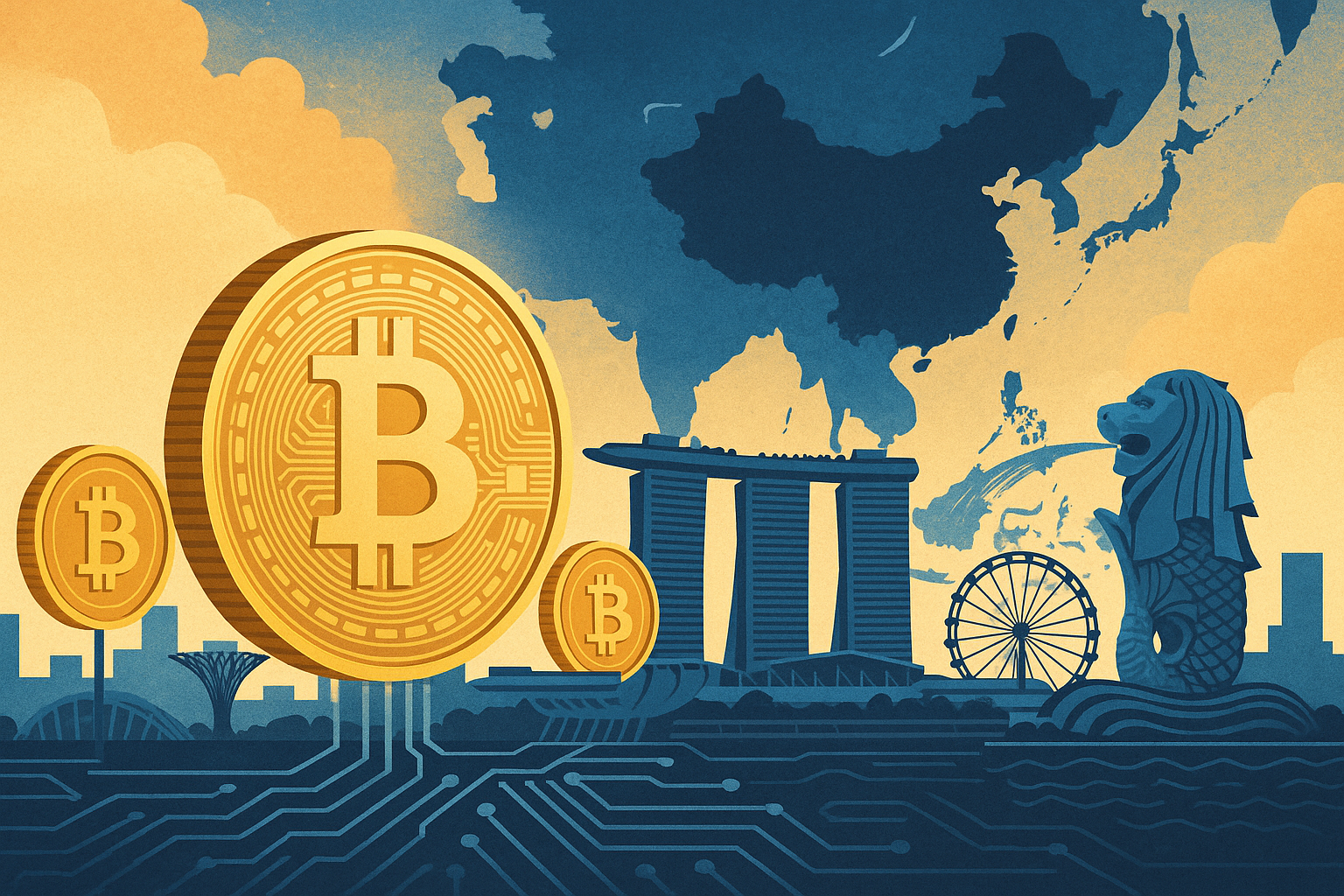
Recent developments in the cryptocurrency landscape reveal a significant ascent of Singapore to the forefront of global crypto adoption, indicative of a broader transformation within the Asia-Pacific region. A newly released index from Bybit and DL Research elucidates the increasing influence of this region, as regulatory clarity, heightened retail engagement, and the emergence of novel blockchain applications collectively redefine innovation trajectories.
Regional Leadership Intensified
The comprehensive analysis conducted by the World Crypto Rankings assessed a total of 79 nations through the application of 28 distinct metrics and 92 pertinent data points. The evaluation scrutinized various critical dimensions, including regulatory frameworks, institutional preparedness, and user engagement levels.
In this latest iteration, Singapore has achieved preeminence, successfully surpassing the United States, which has experienced a notable decline in its ranking. Lithuania, Switzerland, and the United Arab Emirates (UAE) completed the upper echelon of the index, signifying a paradigmatic shift away from previous rankings dominated by Western nations.
The Asia-Pacific region exhibited remarkable performance, with six of its markets securing positions within the global top twenty. Notably, Vietnam attained ninth place while Hong Kong followed closely in tenth position as it implemented a series of regulatory reforms. Australia occupied eleventh place, with the Philippines and South Korea achieving seventeenth and twentieth places respectively. This distribution underscores an evolving adoption landscape whereby regional economies increasingly align their regulatory frameworks with user demand and market development.
New Drivers Behind Adoption
The report delineates how varying factors are propelling advancements across different markets. Singapore’s leading position is attributed to its well-defined regulatory environment, a systematic licensing framework, and elevated levels of user participation.
Conversely, Vietnam exemplifies a distinctive growth trajectory; nearly one-fifth of its population possesses digital assets primarily for purposes of remittances, savings, and inflation hedging. The index indicates that Vietnam ranks first globally in transactional use as well as in the adoption of decentralized physical infrastructure devices. This suggests that Vietnam’s progress is predominantly fueled by grassroots initiatives driven by retail users.
Hong Kong’s tenth-place ranking serves as a testament to its efforts to cultivate renewed confidence following substantial regulatory shifts and the implementation of a new licensing system. With user penetration placing it eighth globally, Hong Kong is strategically positioning itself as a confluence of Western and Asian financial paradigms, wherein stablecoins and tokenization are pivotal catalysts for market recovery.
Emerging Trends Gain Global Traction
Beyond mere rankings, the findings illuminate three prominent trends that are shaping global behavioral patterns within the cryptocurrency domain. Firstly, real-world asset tokenization has surged by an impressive 63%, now exceeding $25.7 billion since January. This trend signifies an escalating interest in converting traditional assets into blockchain-compatible formats suitable for trading and settlement.
Additionally, local currency-pegged stablecoins are gaining traction across various markets seeking to mitigate dependence on traditional fiat currencies while facilitating domestic and cross-border transactions. The proliferation of these tokens reflects an increasing comfort level with digital settlement mechanisms among both institutional investors and retail consumers alike.
This evolution embodies a significant shift towards integrating digital assets into quotidian financial activities rather than relegating them to mere investment vehicles.
